
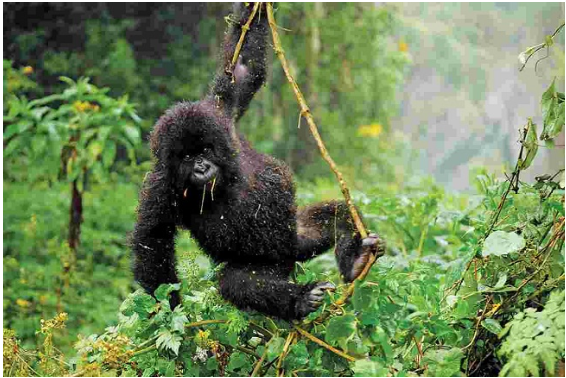

A standard gorilla trek gives you one hour with a habituated family. The gorilla habituation experience gives you four. It is one of the most immersive wildlife encounters in Africa, because you accompany researchers, trackers and rangers as they work with a gorilla group that is still learning to tolerate human presence. You watch the process of habituation itself, and you do it for four unhurried hours. This guide explains what habituation is, where the experience is offered, how a day unfolds, who it suits, what to pack and how it supports conservation.
What Is Gorilla Habituation?
Wild mountain gorillas are naturally wary of humans. Habituation is the slow process of accustoming a gorilla family to the presence of people so that researchers, rangers and, eventually, tourists can observe them without causing fear or aggression. It usually takes around two to three years of near-daily contact. Trackers follow the group at a gradually reducing distance, making calm, consistent contact and imitating gorilla vocalizations to signal that they are not a threat.
Because of the effort involved, only a handful of families worldwide are habituated, and each one represents years of patient work. The habituation experience lets visitors join the later stages of this process with a group that is partly, but not yet fully, accustomed to people.
How It Differs from Standard Gorilla Trekking
| Standard Trek | Habituation Experience | |
| Time with gorillas | 1 hour | Up to 4 hours |
| Group size | Up to 8 visitors | Up to 4 visitors |
| Gorilla group | Fully habituated | Partly habituated |
| Guidance | Rangers and trackers | Rangers, trackers and researchers |
| Cost | Lower | Considerably higher |
| Availability | Several parks | Limited locations |
The longer time and smaller group give you a calmer, more detailed look at gorilla life. You see feeding, resting, grooming, play and subtle social interactions that are hard to appreciate in sixty minutes. You also learn how habituation works from the people doing it.
Where Is the Gorilla Habituation Experience Offered?
Uganda: Rushaga Sector, Bwindi Impenetrable National Park
Uganda is the main destination. In the Rushaga sector of Bwindi, a small number of gorilla groups are in the habituation process at any time. Permits are limited to a few visitors per group per day, so availability is tight. Rushaga is also well known for having several fully habituated families, which makes it popular for travelers wanting both a standard trek and a habituation experience.
Rwanda and the Democratic Republic of Congo
Rwanda and the DRC have run habituation-style experiences at different times, but offerings change. Always check current availability with the park authorities or a reputable operator, and confirm security conditions before considering anything in the DRC.
Because programs depend on which groups are in habituation at the time, availability can change. Confirm everything before you commit.
A Typical Day
- Early briefing. You gather at park headquarters, receive safety instructions and meet your guide and trackers.
- Trek to the group. Trackers who left earlier have located the gorillas. The hike can last from under an hour to several hours through dense, steep forest.
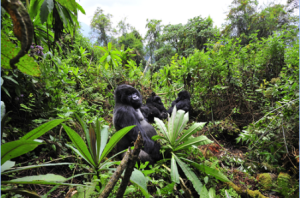
- Time with the gorillas. Once you reach them, you may stay for up to four hours, as long as the animals remain calm and conditions allow. Rangers explain behavior and the habituation process throughout.
- Return. After your time ends, you hike back, often tired and exhilarated.
Since the gorillas are not yet fully accustomed to humans, guides may keep a slightly greater distance at first, and rules are strictly enforced. The group’s mood decides how the encounter unfolds.
Is It Worth the Extra Cost?
For many travelers, yes. Four hours allows you to see the full rhythm of a gorilla’s day, from foraging to nap time, and gives photographers more chances to capture natural behavior in changing light. The smaller group is quieter and less crowded. You also contribute more to conservation, since the permit price is significantly higher than a standard trek.
It may not suit everyone. Four hours is physically demanding, the terrain can be tough and the cost is substantial. If your budget is limited, a standard trek still delivers an unforgettable encounter.
Fitness and Preparation
- Train for several weeks with hill walking, stair climbing and cardio.
- Break in waterproof hiking boots well in advance.
- Hire a porter to carry your pack and help on slippery slopes.
- Be honest about your fitness so rangers can guide you appropriately.
- Hydrate well and rest the night before.
Standing, sitting and moving quietly for several hours in damp forest is tiring, so stamina and patience both help.
What to Pack
- Waterproof hiking boots with strong grip
- Long-sleeved shirts and long trousers in neutral colors
- A lightweight waterproof jacket and warm layers
- Gardening gloves and gaiters or long socks
- Insect repellent, sunscreen and a hat
- A camera with a fast lens, no flash, spare batteries and a waterproof bag
- A refillable water bottle and snacks
- Rain cover for your daypack
Since you will be on the trail longer than usual, bring extra water and light food.
Rules and Etiquette
- Follow your guide’s instructions at all times.
- Keep the distance your rangers specify, and stay calm if a gorilla approaches.
- Speak softly and move slowly.
- Never use flash photography.
- Do not eat, drink or smoke near the gorillas.
- Cover your mouth if you cough or sneeze, and turn away from the animals.
- Do not trek if you are unwell, since gorillas are vulnerable to human diseases.
Permits, Costs and Booking
A habituation permit is separate from a standard gorilla permit, and the number issued per day is very small. Prices are much higher than for a standard trek and may change, so confirm current fees with the Uganda Wildlife Authority or your operator before budgeting. Remember to include accommodation, transfers, meals, porter fees and tips.
Book as far ahead as possible, ideally six to twelve months or more for peak seasons, because availability is extremely limited.
Best Time to Go
- Dry seasons (roughly June to September and December to February): Trails are firmer, which makes a long day in the forest easier. These months are busiest, so book early.
- Wet seasons (roughly March to May and October to November): Greener scenery and fewer visitors, but muddy, slippery trails. Quality rain gear is essential.
Conservation Impact
Habituation is vital to gorilla conservation. Habituated groups can be monitored by researchers and veterinarians, which helps detect illness early and track births and deaths. Tourism revenue from habituated groups funds anti-poaching patrols, park management and community projects. The higher habituation permit fee directs more money to these efforts, and responsible behavior from visitors, such as keeping distance and avoiding illness transmission, protects the animals.
Key Takeaways
- The gorilla habituation experience offers up to four hours with a gorilla group, compared with one hour on a standard trek.
- Groups are limited to a few visitors, creating a quieter and more detailed encounter.
- Uganda’s Rushaga sector in Bwindi is the main location, though availability varies.
- You observe and learn about the habituation process from trackers and researchers.
- Permits are limited and significantly more expensive, so confirm current prices and book early.
- Fitness, waterproof boots and layered clothing are essential for a long day in the forest.
- Strict rules and health precautions protect the gorillas.
- Your fees support research, monitoring and conservation.
Conclusion
The gorilla habituation experience turns a brief encounter into a genuine immersion. Four hours with a gorilla group, alongside the people who dedicate years to earning their trust, reveals how complex, gentle and fragile these animals are. It demands more money, stamina and planning than a standard trek, and it repays them with depth that is hard to find elsewhere. Book early, prepare well, follow the rules and approach the experience with patience and respect. You will leave with better photographs and a deeper understanding of the work that keeps mountain gorillas alive.
Frequently Asked Questions
- What is the gorilla habituation experience?
It is a program that lets a small group of visitors spend up to four hours with a gorilla family that is still being habituated, accompanied by trackers and researchers. - How is it different from a standard gorilla trek?
You get up to four hours instead of one, the group is smaller, the gorillas are not yet fully habituated and the permit costs considerably more. - Where can I do it?
Uganda’s Rushaga sector in Bwindi Impenetrable National Park is the main location. Other countries may offer it at times, so check current availability. - How many people can join?
Typically up to four visitors per group per day, though numbers can change. - How long does habituation take?
Usually around two to three years of regular contact before a family is comfortable with tourists. - How fit do I need to be?
Moderate to good fitness. The hike can be steep and muddy, and the time spent with the gorillas can be physically tiring. - Is it safe?
It is considered safe when you follow your guides’ instructions. Because the gorillas are less accustomed to humans, rules and distances are carefully managed. - What is the minimum age?
The minimum age is generally 15 years, and rangers may check ages at the briefing. - How far ahead should I book?
As early as possible. Permits are very limited, so six to twelve months ahead or more is wise for peak seasons. - Does it help conservation?
Yes. Higher permit fees fund monitoring, anti-poaching patrols and community projects, and habituation supports long-term research and health oversight.