
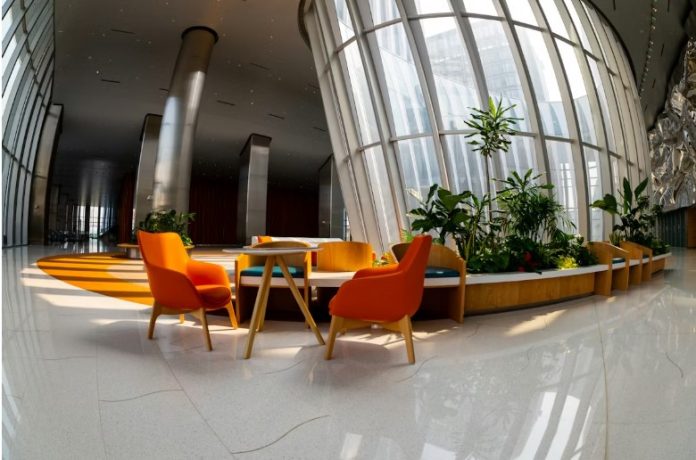

Upgrading the floors of your commercial space is one of the most effective ways to enhance appearance, improve durability, and create a better experience for customers and employees. Flooring plays a major role in setting the tone of your business environment. Whether you operate a retail store, office, restaurant, or warehouse, modern and well-maintained floors reflect professionalism and attention to detail.
The right upgrade can also improve safety, reduce maintenance costs, and increase property value. Here are five practical tips to help you upgrade your commercial flooring efficiently and within budget.
1. Consider Concrete Polishing for a Modern Finish
Concrete polishing is an increasingly popular choice for commercial properties due to its durability and sleek appearance. This process transforms plain concrete into a smooth, glossy surface that reflects light and enhances brightness inside the space.
Polished concrete is resistant to heavy foot traffic, stains, and wear, making it ideal for warehouses, showrooms, and retail environments. It also requires minimal maintenance compared to other flooring types. In addition to being cost-effective over time, concrete polishing offers a clean, industrial-modern aesthetic that appeals to many businesses seeking a contemporary look.
2. Choose High-Quality Carpet for Comfort and Style
Installing carpet in certain commercial settings, such as offices or hospitality spaces, can create a warm and inviting atmosphere. Carpet reduces noise levels, improves insulation, and provides comfort underfoot for employees who stand or walk throughout the day. When selecting carpet, prioritize commercial-grade materials that are stain-resistant and designed for high traffic.
Modular carpet tiles are a practical option because damaged sections can be replaced individually without removing the entire floor. Choosing the right texture and color also enhances branding and overall interior design.
3. Evaluate Durability and Traffic Needs
Before upgrading, assess how much foot traffic your space receives daily. High-traffic areas such as entrances and hallways require more durable materials like vinyl, tile, or polished concrete.
Understanding usage patterns ensures you invest in flooring that will withstand wear and tear. Selecting durable materials from the start helps prevent frequent repairs and long-term replacement costs.
4. Improve Safety With Slip-Resistant Options
Safety should always be a priority in commercial environments. Slippery floors can lead to workplace injuries and liability concerns. When upgrading, look for slip-resistant finishes or coatings, especially in areas prone to moisture, such as kitchens or entryways.
Proper floor treatments not only enhance safety but also demonstrate your commitment to employee and customer well-being.
5. Plan Installation Strategically
Minimizing business disruption is essential during a flooring upgrade. Schedule installation during off-hours or slower seasons if possible.
Work with experienced contractors who can complete the project efficiently and professionally. Proper planning ensures the upgrade process runs smoothly without significantly impacting operations.
Conclusion
Upgrading your commercial flooring is a strategic investment that improves aesthetics, functionality, and safety. By considering options such as concrete polishing, installing high-quality carpet where appropriate, evaluating durability needs, enhancing safety features, and planning installation carefully, you can create a modern and professional space. Thoughtful flooring upgrades not only enhance daily operations but also leave a lasting impression on clients and visitors.